
What Skincare Is Safe During Pregnancy?

Last Updated: October 26, 2026
Quick Summary
Safe skincare pregnancy focuses on choosing gentle, natural formulations suited to your changing skin rather than avoiding all products. Pregnancy hormones increase oil production, sensitivity, and irritation risk, making a barrier-supporting routine with hydrating ingredients like hyaluronic acid, ceramides, and niacinamide essential.
Avoid retinoids, high-strength salicylic acid, benzoyl peroxide, and chemical UV filters; choose physical filters like zinc oxide instead.
Low-strength lactic acid, glycolic acid under 10%, vitamin C, and plant-derived antioxidants are generally considered lower-risk.
Introduce one new product every one to two weeks and patch-test on inner arm or behind ear for 48 hours first.
Consistency with a gentle routine for 8-12 weeks beats aggressive treatments; many women see improvement from hydrating products alone.
Ask brands for full ingredient lists and concentrations; claims like 'clean', 'natural', or 'safe for pregnancy' without specifics tell you nothing about actual safety.
Table of Contents
Understanding Pregnancy Skin Changes and Safe Skincare Choices
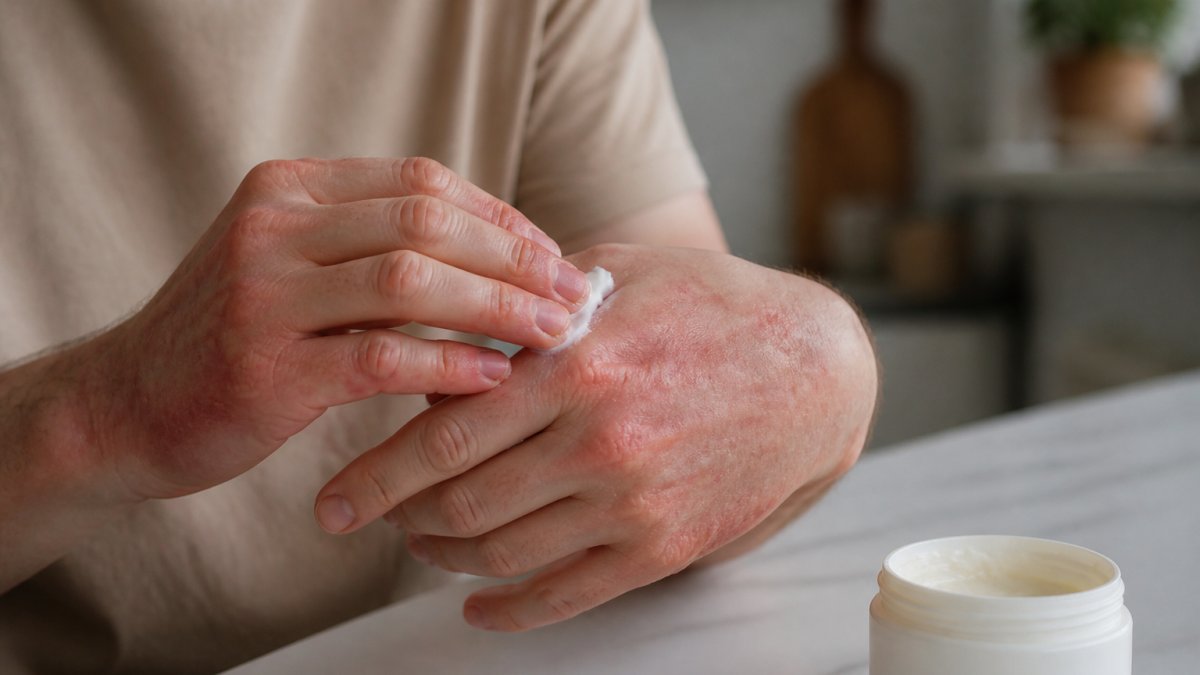
Pregnancy transforms your skin, making safe skincare pregnancy a priority for expectant mothers. Hormonal shifts trigger increased oil production, sensitivity, and sometimes acne or hyperpigmentation.
Safe skincare pregnancy isn't about avoiding all products, it's about choosing the right ones. Your skin barrier becomes more vulnerable, making gentle, natural formulations essential, many expectant mothers find their usual routine now causes unfamiliar irritation.
Skincare Ingredients to Avoid During Pregnancy
Most guides imply every flagged ingredient carries the same risk. It doesn't. Some precautions rest on well-established findings, others on theoretical mechanisms, some on very limited data. Understanding why an ingredient is flagged, and how much exposure matters, helps you make proportionate decisions rather than avoiding everything out of vague anxiety.
Ingredient | Evidence grade | Why it is flagged | Practical context |
Retinoids (retinol, tretinoin, isotretinoin, adapalene) | Well-established precaution | Vitamin A derivatives; high-dose systemic vitamin A is linked to birth defects, and topical absorption, though low, cannot be ruled out | Most dermatologists advise avoiding all topical retinoids during pregnancy as a precaution; do not restart without medical advice |
Salicylic acid | Conflicting / limited | Beta hydroxy acid; high-dose oral salicylates carry risks, but topical exposure at low strength is much lower | Low-strength (under 2%) brief-contact products are considered lower-risk by many practitioners; higher-strength peels and leave-on treatments warrant caution |
Benzoyl peroxide | Limited | Minimal systemic absorption from topical use, but data in pregnancy is sparse | Some practitioners advise avoiding in the first trimester; others consider short-term spot use acceptable, discuss with your clinician |
Chemical UV filters (oxybenzone, octinoxate) | Limited / precautionary | Absorb into the skin and bloodstream; some filters have shown hormonal activity in laboratory studies | Physical filters (zinc oxide, titanium dioxide) are preferred because they sit on the skin surface; if you prefer a chemical filter, choose one your clinician is comfortable with |
Phthalates, parabens, synthetic fragrances | Precautionary | Some are suspected endocrine disruptors at high exposure; cosmetic concentrations are far lower | Not proven harmful at cosmetic levels, but many expectant mothers choose to reduce them; fragrance-free products also lower irritation risk |
Azelaic acid | Limited | Effective for acne and melasma, but pregnancy safety data is limited | Some clinicians consider it acceptable after the first trimester; others defer until after breastfeeding, seek individual advice |
Essential oils (e.g. high-dose rosemary, sage, clary sage) | Variable / limited | Some contain compounds with hormonal or uterine activity at high doses | Aromatherapy massage and high-dose oils warrant caution; trace amounts in a rinse-off product are a different exposure, ask your midwife if unsure |
What the grades mean
Well-established precaution: Guidance is consistent across regulators and clinical bodies; avoid unless a clinician specifically advises otherwise.
Conflicting / limited: Some sources flag the ingredient, others consider low-level topical use acceptable; the right choice depends on concentration, area and your own risk tolerance.
Precautionary: No confirmed harm at cosmetic levels, but a reasonable choice to reduce exposure if it helps you feel confident.
Exposure, concentration and application context
Risk isn't just about which ingredient, it's how much reaches your body. Four factors matter:
Concentration. A 0.1% retinol serum and a 1% prescription tretinoin cream are not equivalent exposures. The same logic applies to salicylic acid: a brief-contact 2% cleanser is a very different proposition from a 20% peel.
Application area. A pea-sized amount on a single spot is not the same as a full-face, full-body application. Larger surface area and broken skin increase absorption.
Frequency and duration. Daily leave-on use over months accumulates more exposure than an occasional rinse-off product.
Product type. Rinse-off cleansers contact the skin briefly; leave-on serums and masks sit for hours. Occlusive formulations can increase penetration.
Watch Out If you are using a prescription skincare product, including tretinoin, adapalene or high-strength azelaic acid, do not stop or continue it without speaking to the prescriber. They can advise on alternatives and timing.
When to seek individual advice
A list can't account for your medical history, other medicines, skin conditions or previous pregnancies. Speak to your midwife, GP or dermatologist if unsure about a product, if you have a chronic condition such as eczema or psoriasis, or if considering any active treatment beyond basic cleansing and moisturising. If breastfeeding, check whether a precaution needs to continue.
Safe Skincare Ingredients for Pregnancy
**
**
**
**
**
**
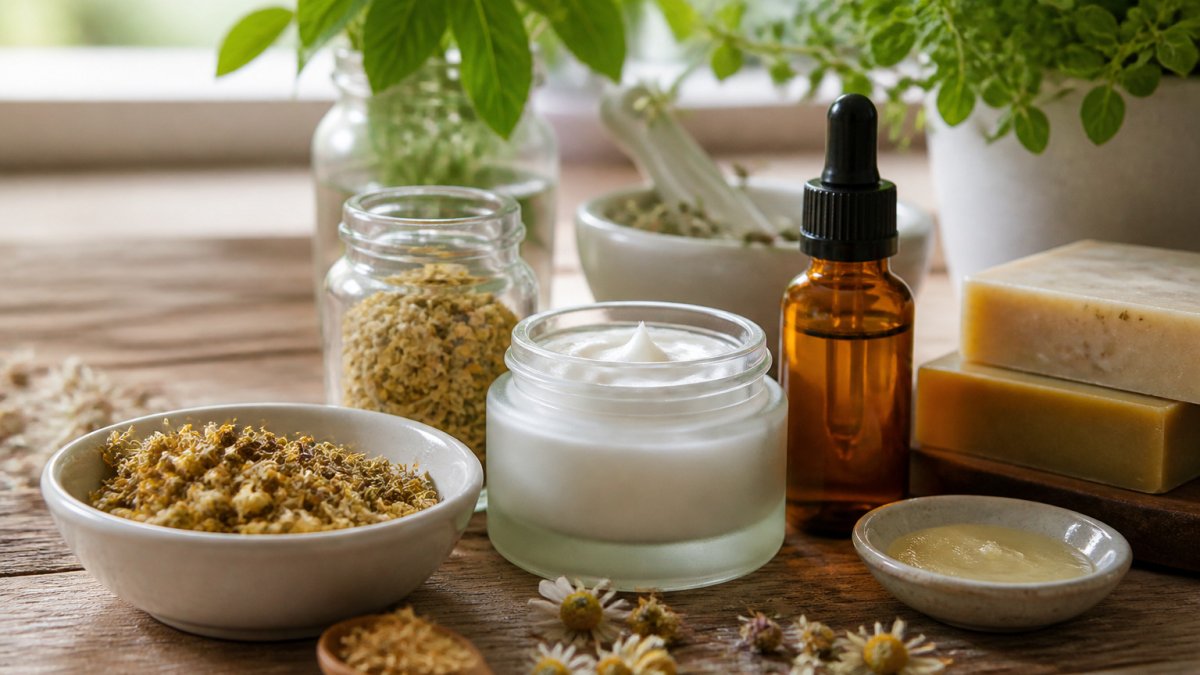
Natural botanical extracts, chamomile, calendula, aloe vera, soothe irritation and reduce inflammation. Dietmonger (UK) Ltd- Herbal All Skincare formulations use these plant-based ingredients because they deliver anti-inflammatory and anti-histamine benefits without synthetic chemicals or absorption risks.
Building a Pregnancy-Safe Skincare Routine

Many pregnant women find that natural ways to treat facial acne provide safer alternatives to conventional acne treatments. For persistent concerns, Broban cream offers a pregnancy-safe option formulated specifically for expectant mothers and babies, combining natural ingredients with rigorous safety testing. If your pregnancy has created sensitive skin, organic skincare for sensitive skin guides you through ingredient selection tailored to your needs. Additionally, how to heal damaged skin barrier covers repairing barrier damage, a common pregnancy skin concern, using safe, nourishing approaches.
Managing Pregnancy Acne with Safe Treatments
Consistency matters more than intensity. A gentle routine used faithfully for 8-12 weeks beats aggressive treatments that irritate sensitive pregnancy skin; many women see improvement from hydrating, barrier-supporting products alone.
Retinol Alternatives During Pregnancy
Plant-derived antioxidants like green tea, resveratrol, and ferulic acid protect skin from environmental damage and support natural renewal processes. These work synergistically with other safe ingredients to maintain skin health throughout pregnancy.
Choosing Your Pregnancy-Safe Skincare Products
Labels are designed to sell, not to help you assess safety. "Clean", "natural", "organic" and "chemical-free" have no fixed legal definition in cosmetics marketing, so they tell you nothing about whether a product is appropriate during pregnancy. What follows is a practical decision tool you can use in a shop or on a product page, plus a checklist you can copy and keep.
A five-step label decision tool
Look for fragrance and essential oils. Fragrance is a common irritant and a frequent source of uncertainty. Fragrance-free formulations reduce both irritation risk and the number of ingredients you need to assess.
Ingredient checklist to copy
Avoid or discuss with a clinician first
Retinol, retinal, tretinoin, isotretinoin, adapalene
Salicylic acid above 2%, or any leave-on salicylic treatment
Benzoyl peroxide (especially in the first trimester)
Oxybenzone and octinoxate
High-dose essential oils (rosemary, sage, clary sage, wintergreen)
Generally considered lower-risk (confirm with your clinician if unsure)
Hyaluronic acid
Niacinamide
Ceramides and peptides
Glycerin
Zinc oxide and titanium dioxide (as UV filters)
Lactic acid and glycolic acid at low strength (under 10%)
Vitamin C (L-ascorbic acid) in stable formulations
Azelaic acid (limited data, discuss timing)
Claims that tell you nothing about safety
"Clean", "natural", "organic", "chemical-free", "toxin-free", "dermatologist-approved"
"Safe for pregnancy" without an ingredient list you can check
Pro Tip Photograph the ingredient list of any product you are considering and compare it against the checklist at home. It is easier to assess concentration order and spot flagged ingredients on a screen than in a busy shop.
What to ask a brand or retailer
If a product claims to be pregnancy-safe but does not publish a full ingredient list, ask for it in writing. A reputable brand should be able to tell you the concentration of any active ingredient and whether the product has been tested for use during pregnancy. Vague reassurance is not the same as information.
Patch-test and introduce gradually
Pregnancy hormones increase skin reactivity, so even a product with a favourable ingredient profile can cause irritation. Apply a small amount to your inner arm or behind your ear for 48 hours before full-face use. Introduce one new product every one to two weeks so you can identify what your skin tolerates.
Prioritise barrier support over treatment
During pregnancy, a healthy skin barrier is more valuable than aggressive treatment. A simple routine, gentle cleanser, barrier-supporting moisturiser, mineral sunscreen, reduces sensitivity and gives you a stable base. Add targeted treatments only once that base is established, and only with ingredients you have checked against the list above.
Frequently Asked Questions
Which skincare ingredients should you avoid when pregnant?
Retinoids (including retinol and prescription retinoids), salicylic acid in high concentrations, benzoyl peroxide in high doses, chemical sunscreens containing oxybenzone, and certain essential oils should be avoided or used with caution. High-dose vitamin A derivatives pose the greatest concern. Always check product labels and consult your midwife or GP if you're unsure about a specific ingredient in your safe skincare for pregnant women regimen.
Is salicylic acid safe to use during pregnancy?
Low-concentration salicylic acid (under 2%) used topically on limited skin areas is generally considered acceptable for pregnancy acne treatment safe approaches, though many healthcare professionals recommend avoiding it altogether as a precaution. Higher concentrations or prolonged use carry greater theoretical risk. If you have acne, discuss alternatives like azelaic acid or glycolic acid with your GP before continuing salicylic acid products.
Can you use retinol while pregnant?
Retinol and all retinoid derivatives should be avoided during pregnancy due to links with birth defects at high systemic doses. This includes prescription retinoids and over-the-counter retinol. Retinol alternatives during pregnancy include bakuchiol, peptides, niacinamide, and vitamin C, which provide anti-aging and skin-smoothing benefits without the safety concerns. Switch to these alternatives before conception or as soon as you discover you're pregnant.
What is a simple pregnancy-safe skincare routine?
A basic pregnancy-safe skincare routine includes a gentle cleanser, hydrating moisturiser, and physical sunscreen (zinc oxide or titanium dioxide) applied daily. Add targeted treatments like azelaic acid for acne or hyaluronic acid serums for hydration as needed. Keep routines simple and avoid introducing new products unnecessarily. Natural, organic formulations with minimal additives reduce irritation risk. Consult your midwife if you develop new skin concerns.
When should you ask a midwife, GP or pharmacist about a skincare product?
Contact your healthcare provider before using any new skincare product during pregnancy, especially if it contains active ingredients, essential oils, or unfamiliar botanical extracts. Pharmacists can review product labels quickly. Always mention pregnancy when discussing skincare with healthcare professionals. If you experience skin irritation, rash, or allergic reactions, seek advice immediately. Your midwife can also recommend products specifically formulated for pregnancy-safe skincare.
Which skincare is best for pregnancy?
The best safe skincare for pregnant women prioritises simplicity, hydration, and natural ingredients. Look for products with hyaluronic acid, niacinamide, glycerin, and plant-based soothing agents like chamomile or aloe vera. Physical sunscreens with zinc oxide or titanium dioxide protect against melasma. Wholly natural and organic formulations reduce exposure to synthetic chemicals. Avoid fragrance, essential oils, and active ingredients unless specifically approved by your GP. Patch-test all new products first.
What skin changes should I expect during pregnancy?
Pregnancy hormones trigger increased sebum production, leading to acne, oiliness, or combination skin. Many women develop hyperpigmentation or melasma (dark patches on the face). Some experience heightened sensitivity, dryness, or itching as the skin barrier shifts. Stretch marks may appear on breasts, abdomen, and thighs. These changes are temporary; most resolve after delivery. A tailored pregnancy-safe skincare routine with hydration, sun protection, and gentle cleansing helps manage these concerns.
Shop
Add herbal-allskincare.co.uk as a preferred source on Google →

Comments